An open line through the city
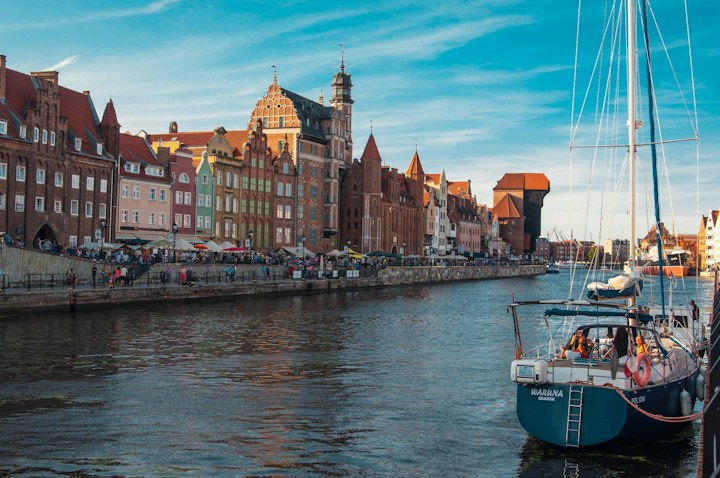
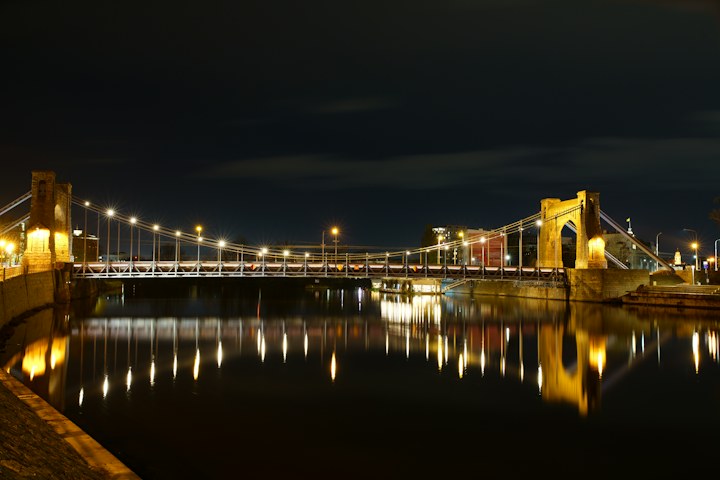
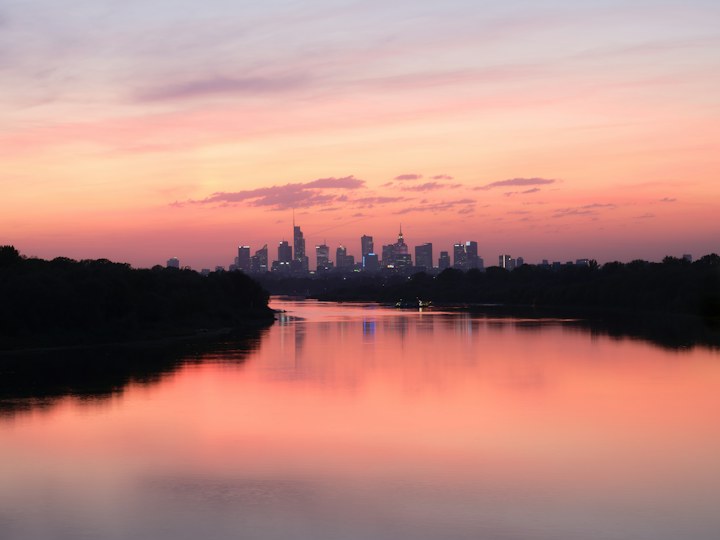
A river changes how far the eye can travel. Streets repeatedly stop at buildings, but water holds a view open. Along the Vistula, that openness is a useful counterweight to the city around it. You can watch movement without joining it: a cloud crossing the skyline, a bicycle following the bank, a reflection that takes longer to disappear than expected.
Choose a public stretch that suits the weather and your energy. The value of a river walk is not measured by distance. A short out-and-back route can give you two different views of the same place, especially when the light is changing. Check local access and conditions rather than assuming that every path beside the water is continuous.
“The river does not ask you to arrive anywhere.”
Two banks, different rhythms
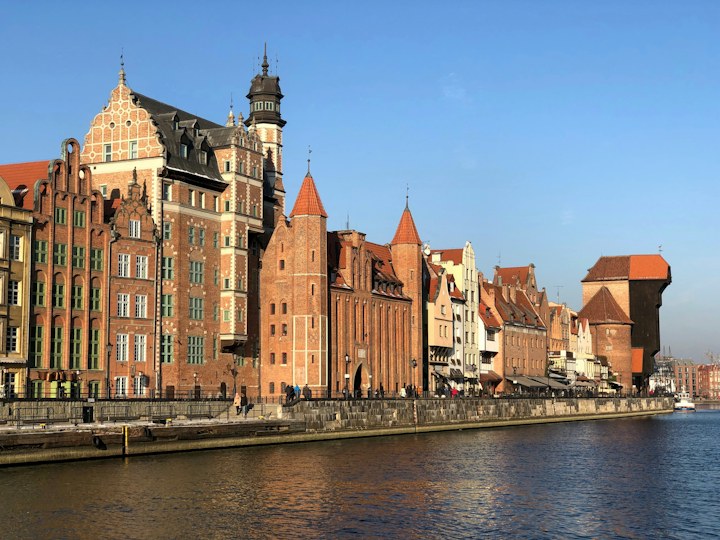
The character of a riverbank can shift quickly. Hard edges, steps and promenades invite one kind of pause; trees and less formal paths invite another. Notice the transitions without treating either side as the correct experience. An urban river is a shared space with many simultaneous uses, from daily travel to an hour of doing very little.
Look for the ordinary infrastructure that makes staying possible: a bench facing the right direction, a safe crossing, an accessible ramp, a line of shade. These details are easy to overlook in a photograph, but they decide how a place feels over time. A good riverside view is often supported by a great deal of quiet practical design.
A small way of paying attention
Try walking for a few minutes without taking a picture. Then stop and describe the scene in a sentence. What has changed since the beginning of the walk? Perhaps the skyline has become less important than the foreground. Perhaps the noise of traffic has given way to wind. The exercise is useful because it asks for a choice.
Leave the river with one observation rather than a complete collection. You can return in another season or at another time of day and begin again. Water makes repetition interesting: the route can remain the same while almost everything you notice is different. That is a good reason to keep a place close rather than always search for somewhere new.