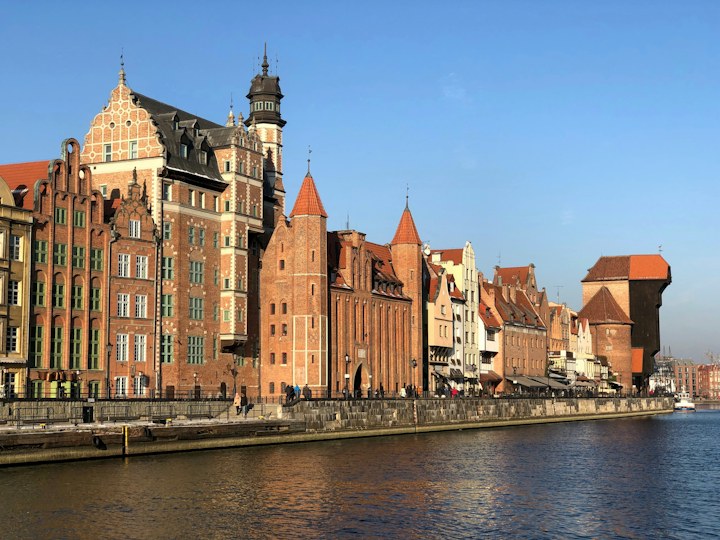
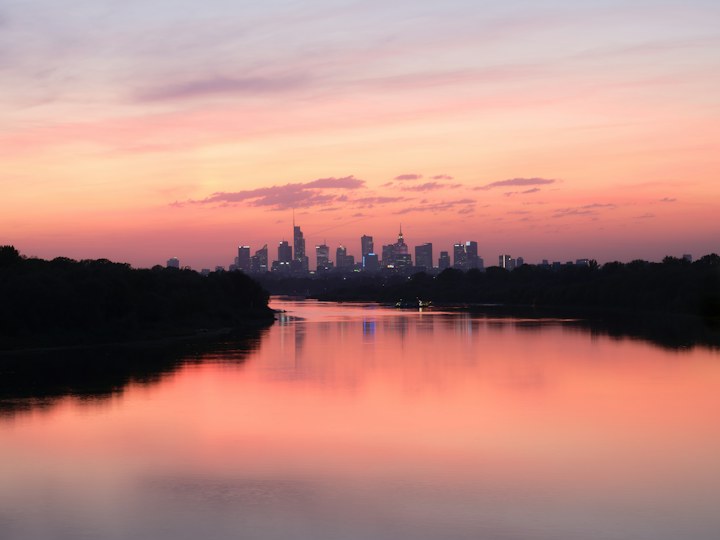
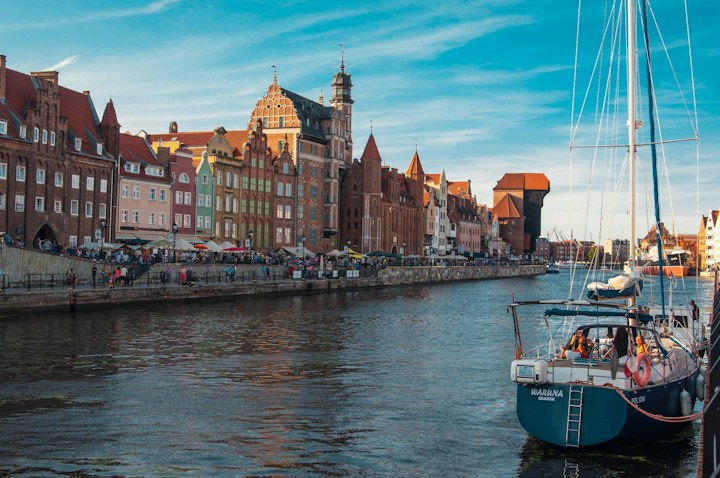
A little preparation makes room for a little uncertainty. Use these prompts as a starting point, then let the place — and the day — do the rest.
Begin with one anchor
Choose one public place that gives the day a clear beginning: a river path, a square or a neighbourhood you can reach comfortably. Check the practical journey there and back. Keep the first plan small enough that you could shorten it without feeling you had missed the whole point.
An anchor is different from a complete route. It gives you somewhere to start, then leaves room for a turn, a pause or a change of weather. If you are visiting with someone else, agree on the pace as well as the destination. A comfortable day is a shared design problem.
Three things to look for
First, look at an edge: where a building meets the pavement, a street meets the water or sunlight meets shade. Then look for a repeated shape. Finally, notice something moving through the scene. These three prompts are enough to make an ordinary stretch of street more specific.
Keep the observation small. You do not need to identify an architectural style or know the history of every building. Describe what is visible before reaching for an explanation. A colour, a sound or a simple sketch can be a better record than a long general impression.
Let the weather change the plan
Check a current forecast before setting out, bring an appropriate layer and keep a sheltered alternative in mind. Wet paving, wind by the water and fading daylight can change what feels comfortable. There is no virtue in completing a route that has stopped being pleasant or safe.
A change of plan can also change the way a place looks. Rain creates reflections, cloud softens a skyline and bright sun makes shade more important. Use those differences as a reason to notice something new. Do not treat the original itinerary as a promise the day has to keep.
Share the street well
Keep entrances, pavements and cycle routes clear. Respect signs and private thresholds, and be considerate when photographing people. A quiet-looking courtyard may be someone’s home or workplace. The most interesting view is not a reason to ignore a boundary.
Access conditions vary and may change. These notes are not a step-free route certification or a guarantee of public access. Check reliable local information if you need specific facilities, and choose a route that works for the people taking it. A good plan leaves room to turn back.
Return to a familiar place
Revisit one small place in different light or another season. The route can stay the same while the experience changes. Repetition helps you distinguish the qualities of a place from the novelty of arriving there for the first time. It also removes some of the practical work of a new outing.
Make a brief dated note if that is useful. Compare what first caught your eye with what you notice later. The difference may be more revealing than either observation alone. Familiarity is not the end of curiosity; often it is the point at which curiosity becomes more precise.
Bring less, leave room
Comfortable footwear, a weather-appropriate layer, water and a charged phone cover many ordinary needs. Add what your own journey requires, but avoid turning a short walk into a production. A small notebook is optional. So is taking photographs.
Keep enough time and energy for the return. A deliberate ending can make the whole afternoon feel more generous. Finish with one clear observation rather than a demand to see one more place. The blank part of the notebook is not a problem to solve.